
Quick-Reference Guide to Common Sail Rigs
Sailboats come in an astonishing range of rigs, each shaped by geography, technology and the needs of the sailors who use them. Understanding their unique shapes makes it easier to identify boats underway and to appreciate how each rig performs.
Sloop

A sloop has one mast and two principal sails: a mainsail and a headsail. This is the most common modern rig (especially on catamarans) because it gives strong windward performance with relatively simple handling.
Pros: Efficient upwind, fewer lines to manage, lighter mast and rig.
Cons: Limited sail plan options in heavy weather unless multiple headsails can be carried. More difficult to reef.
Quirks and history: The name likely comes from the Dutch “sloep”. Early sloops in the 1600s often carried larger headsails and smaller mains than today.
Ketch
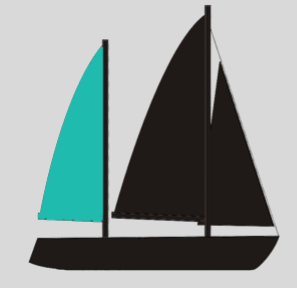
A ketch has two masts: a mainmast forward and a shorter mizzen mast located forward of the rudder post. The sail plan splits the sail area into more manageable pieces.
Pros: Flexible sail combinations, excellent balance, easier to shorten sail in rising wind.
Cons: Extra mast adds cost, weight and drag, and performance to windward is not as sharp as a sloop. More complex to maintain.
Quirks and history: Common on long-range cruisers for decades. Traditional fishing fleets in northern waters used ketch rigs because they allowed comfortable heavy-weather handling.
Cutter

A cutter is a single-masted boat that carries two or more headsails at once, usually a jib and a staysail set on an inner forestay. This is a set up you often see on catamarans (Outremer, for example).
Pros: Versatile sail plan, easy to reef by furling headsails one at a time, excellent balance in strong wind.
Cons: More rigging complexity than a sloop, and tacking requires managing multiple sails.
Quirks and history: The name comes from “to cut through the water”, because cutters were used as fast dispatch vessels and revenue boats in the eighteenth and nineteenth centuries.
Gaff Rig
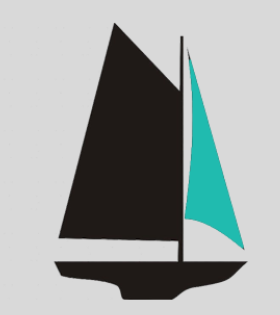
A gaff rig uses a four-sided mainsail with its upper edge supported by a spar called a gaff. Larger ships may carry a topsail above the gaff.
Pros: Large sail area for a modest mast height, low centre of effort, traditional look.
Cons: More running rigging, less efficient upwind than a triangular mainsail, and heavier spars.
Quirks and history: Dominant in the age of sail before the rise of the Bermuda rig. The word “gaff” refers to the pole supporting the sail’s head, possibly derived from Old English for hook or forked stick.
Schooner
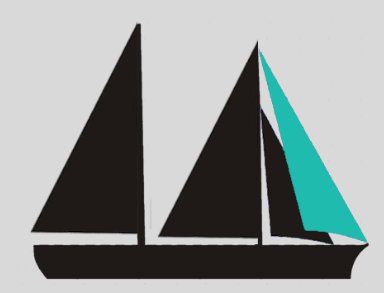
A schooner has at least two masts, with the aft mast equal or taller than the forward mast. Traditional schooners often carried gaff sails on both masts.
Pros: Excellent downwind ability, large sail area distributed across smaller sails, good for cargo and long passages.
Cons: Complex rig, slower to tack than a sloop, and heavy running rigging.
Quirks and history: Originated in North America. Legend says the name came from a bystander who exclaimed “Look how she scoons!” when a new vessel type was launched in early eighteenth-century Massachusetts.
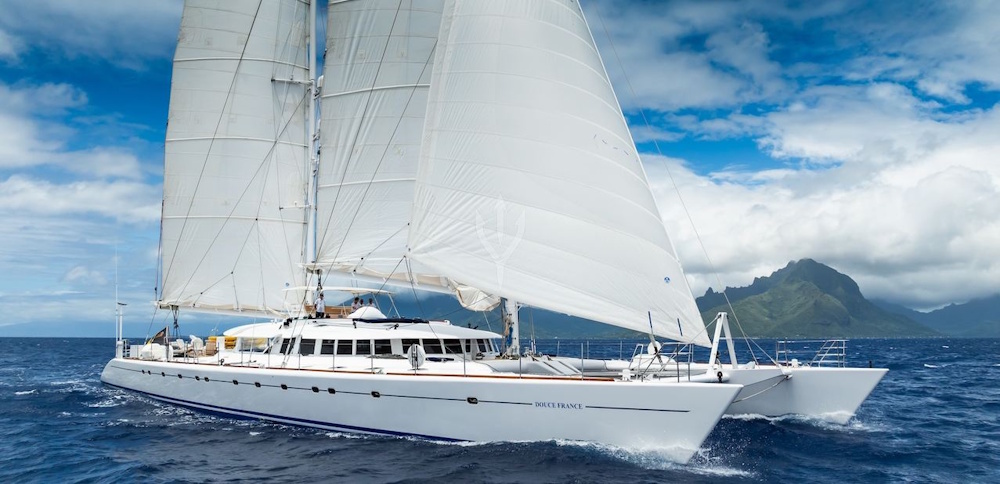
Douce France : Schooner rig.
Yawl
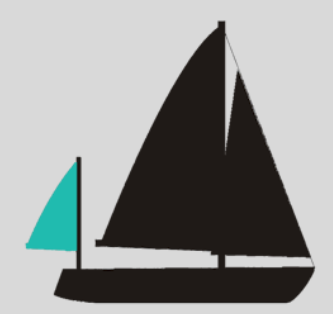
A yawl is similar to a ketch but the mizzen mast sits aft of the rudder post and is smaller. Yawls typically use the mizzen for balance rather than drive.
Pros: Excellent trimming control, very small mizzen easy to handle, good for heavy-weather helm balance.
Cons: Mizzen contributes less power, and performance gains are subtle compared with a sloop. You still need a big mainsail.
Quirks and history: Popular in classic racing because the small mizzen allowed certain rating advantages. The term may come from the Dutch “jol”.
Catboat

A catboat carries a single large sail on a single mast placed well forward in the hull. The sail is commonly gaff-rigged though Bermuda catboats exist.
Pros: Simple, minimal rigging, powerful sail for size, excellent for shoal waters.
Cons: Large mainsail can be demanding in heavy wind, limited sail plan options. They have a tendency to suffer from weather helm.
Quirks and history: Strongly associated with New England working boats. The word “cat” may refer to a vessel with a mast set well forward.
Dhow
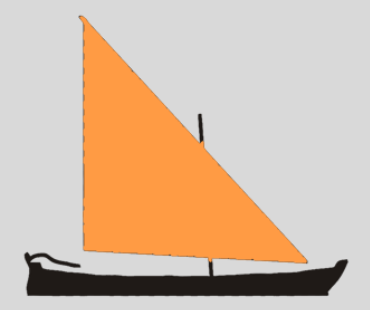
Dhows are traditional Arab and East African vessels with one or more masts carrying distinctive triangular lateen sails.
Pros: Excellent in light wind, good close reaching ability, simple spars.
Cons: Requires skill to handle the yard.
Quirks and history: Used for centuries in the Indian Ocean trade. The lateen sail was a major technological leap that allowed beating to windward before the spread of Bermuda rigs.
Proa
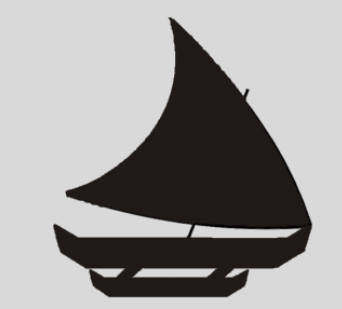
A proa is an asymmetric Pacific sailing craft with one main hull and one outrigger. Traditional rigs vary, but many carry a crab-claw sail.
Pros: Extremely fast for size, very light, efficient sail shape, shallow draft. Good downwind.
Cons: Unconventional handling because proas “shunt” rather than tack, limited comfort for cruising.
Quirks and history: Developed across Micronesia and Polynesia. Western sailors initially found proas perplexing because they reverse ends to change direction.
Junk
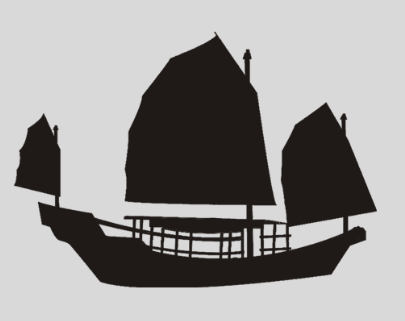
The junk rig uses fully battened sails with horizontal battens and often multiple masts. Sails look rectangular or fan-shaped and reef easily.
Pros: Simple reefing, tolerant of gusts, low loads on rigging, quiet and low-stress cruising.
Cons: Less efficient upwind than modern rigs, more windage when stowed. More weight aloft.
Quirks and history: Originated in China and spread widely. The name likely derives from the Javanese “jong” meaning ship.